

Coordinated action in Greece, Cyprus and Italy to protect sea turtles against the climate crisis
Today, June 16, the world celebrates World Sea Turtle Day. In the Mediterranean, this celebration comes at a critical turning point. As the climate crisis alters our coastlines, the EU co-funded program LIFE ADAPTS project is coordinating urgent conservation actions across Greece, Cyprus, and Italy. By tracking new nesting trends and studying climate resilience, the project is building a safer future for these iconic species. To mark this day, our regional partners are scaling up fieldwork and hosting community events across all three nations.
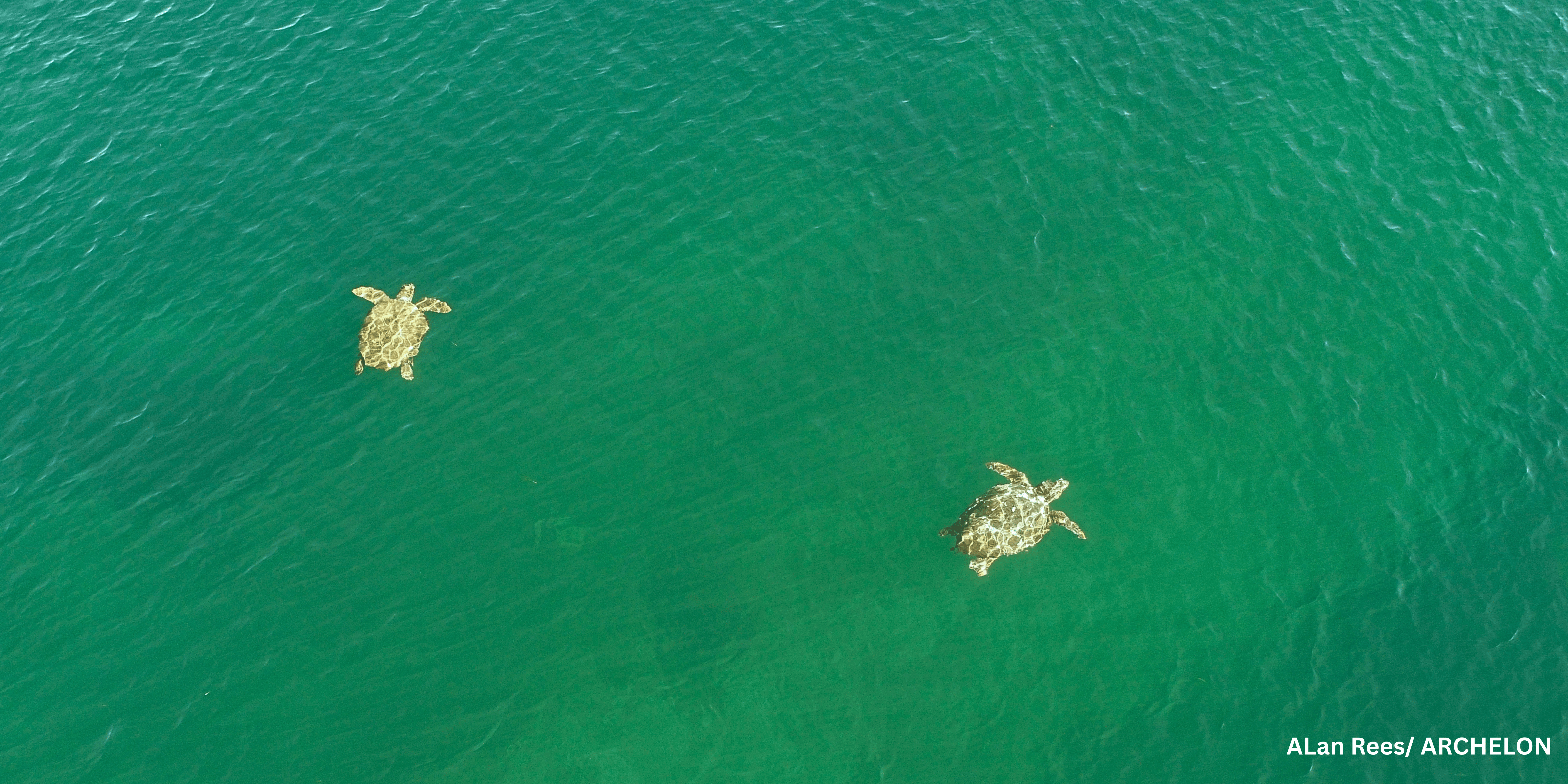
In Greece, ARCHELON continues its long-standing commitment by monitoring and protecting important nesting habitats of the loggerhead turtle (Caretta caretta) in Crete, the Peloponnese, and Zakynthos. Τhese field activities have now expanded within the framework of the LIFE ADAPTS project, co-funded by the EU and the Green Fund. Within the framework of LIFE ADAPTS, field activities have expanded to new project areas in Epirus and Corfu, where the first surveys of the season have already been carried out and sea turtle tracks have been recorded. Systematic monitoring activities will also begin in Epirus and Corfu during the current nesting season, strengthening efforts to assess and protect these emerging nesting areas. Drone surveys are being used to support the assessment of nesting sites and the risk of sea level rise as a result of climate change, while temperature loggers have been installed on selected beaches to collect data on sand temperatures and nesting conditions, contributing to a better understanding of the potential impacts of climate change on sea turtle reproduction.
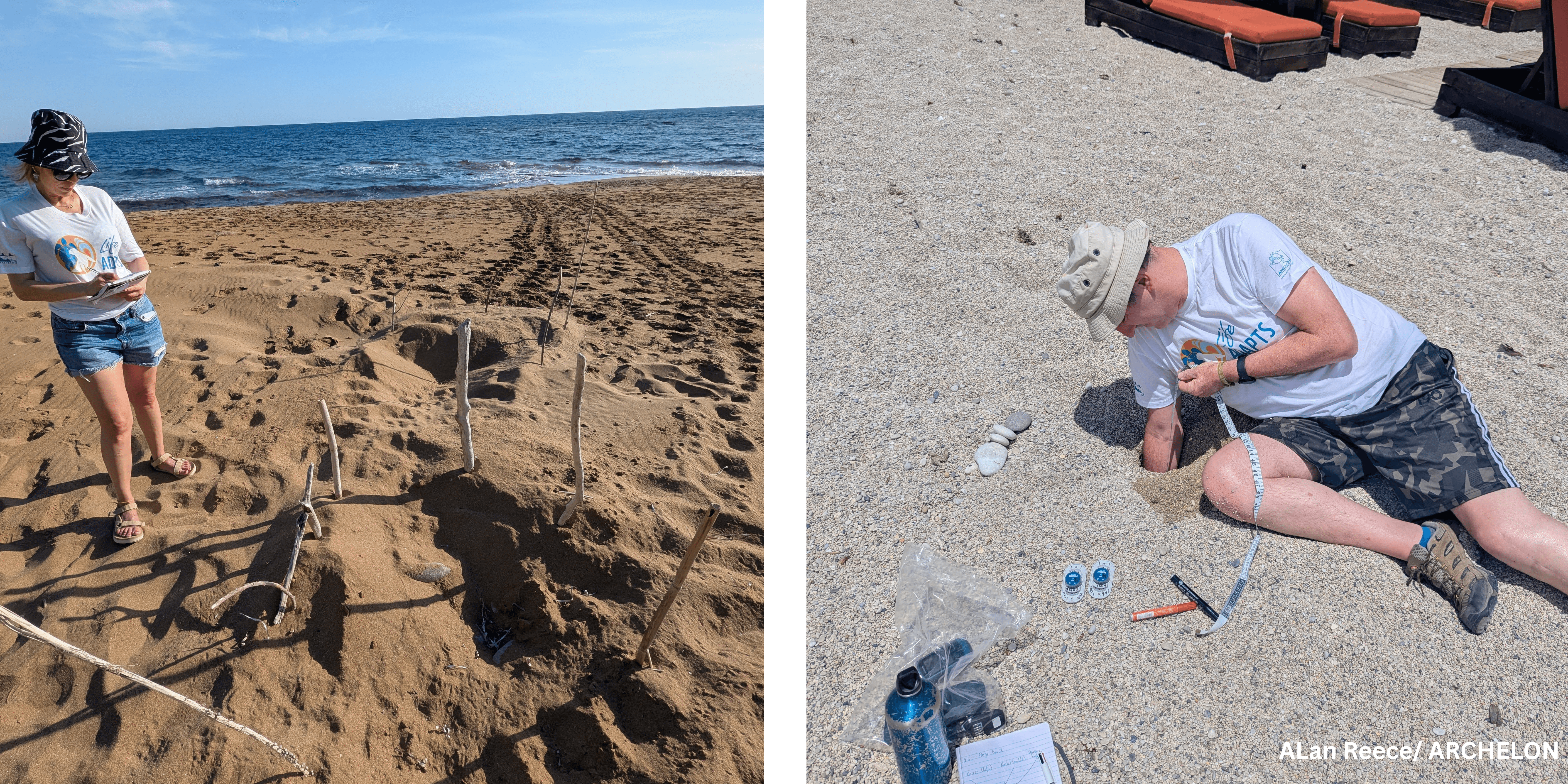
In Cyprus monitoring activities are already under way. Over 100 nests of both species have been located and protected on the beaches monitored for the project and data collection on temperature has started in order to evaluate which nesting beaches could be more resilient to the effects of climate change. Beach profiles are being completed to collect essential data needed for the development of a Sea Level Rise risk classification of reproductive sites.
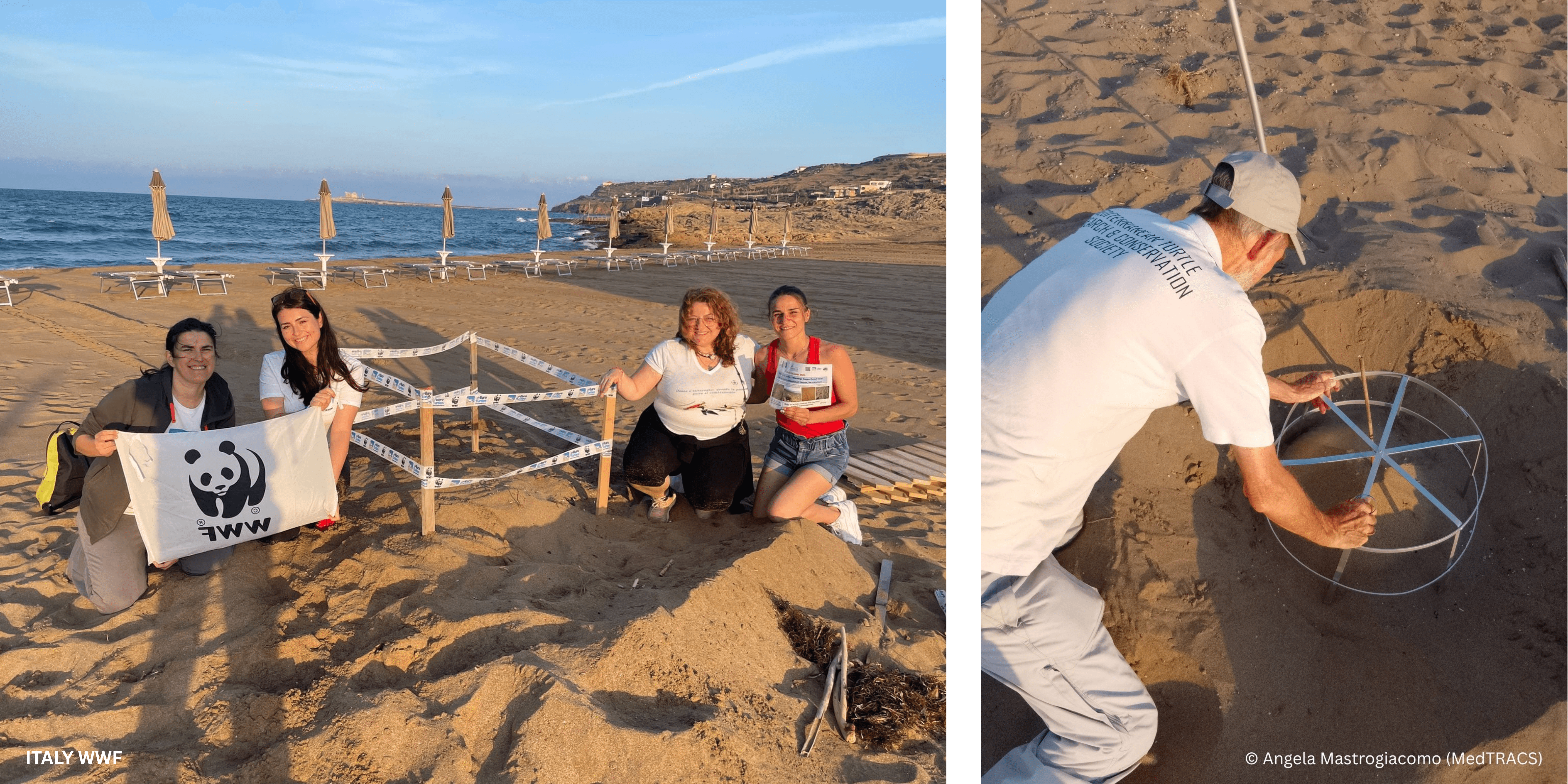
In Italy, from Sicily to Calabria to the Gulf of Taranto and further north in Tuscany, monitoring activities are already underway, involving hundreds of operators and volunteers each year in the search, protection, and management of nests along Italian beaches. Extensive work that has brought significant results in recent years, with the number of identified nests constantly increasing, especially in the southern regions but also along the northernmost coasts. In Italy celebrations will take place in Sicily, the region where the first nests of the season were unveiled, the Torre Salsa Oasis and the OA Sicilia Area Mediterranea will release a sea turtle off the coast of Agrigento with a training session on turtle recovery activities in need. Also in Sicily, on June 16th and 19th, at 6 pm on Mondello beach and at 5 pm on Balestrate beach (Palermo), meetings will be held with residents and school groups to raise awareness of the characteristics and threats facing sea turtles, and beach clean-up initiatives will be organized. In Apulia, operators from the Molfetta CRTM, which recovers an average of 400 turtles in distress each year, will also release a rehabilitated sea turtle, while in Basilicata the Policoro Recovery Center, located at the WWF Oasis, will remain open to visitors who can witness the ongoing activities.
The role of the LIFE ADAPTS project
The European project LIFE ADAPTS (climate change ADAPTations to Protect Turtles and monk Seals), co-financed by the European Union, fits into this scenario and represents one of the main initiatives to address the climate crisis in the Mediterranean. Active in Greece, Cyprus and Italy and coordinated by the University of Pisa, the project, in addition to WWF Italy, involves associations and bodies historically committed to the defense of marine turtles such as ARCHELON (The Sea Turtle Protection Society of Greece) in Greece, MEDTRACS (Mediterranean Turtle Research and Conservation Society and the Oceanographic Centre of the University of Cyprus (OC-UCY) and the Fisheries and Marine Research Department of the Cypriot Ministry of Agriculture, Rural Development and Environment (DFMR).
LIFE ADAPTS aims to develop concrete strategies to protect iconic species such as sea turtles and monk seals, working on multiple fronts: identifying and monitoring nesting sites, developing adaptation measures to climate impacts, reducing human impacts on beaches, and actively engaging local communities. Among the tools used: drones, environmental DNA, satellite telemetry and direct beach monitoring, innovative technologies that enable increasingly effective management of breeding sites.
More nests, but also new challenges
The growing presence of sea turtles on the Italian coast is a positive sign, but it also represents a major challenge. Between 2020 and 2025, over 1,000 nests were recorded along the Italian coast in regions monitored by the WWF, with a record peak in the last breeding season.
In Greece, more than 1,000 of loggerhead sea turtle nests of the 2026 nesting season have already been successfully recorded and protected by ARCHELON volunteers and researchers at the country's most important nesting beaches.
However, rising sand temperatures, rising sea levels, and anthropogenic pressure on beaches put the reproductive success of the species and the survival of the young at risk.
A coordinated action in the Mediterranean: work in the three countries
The value of LIFE ADAPTS lies in its international dimension, which allows us to address the climate crisis on a Mediterranean scale by networking different experiences and contexts. In Italy, the project strengthens an already consolidated monitoring network, especially in Sicily, Calabria, Basilicata, and Puglia, now among the most important areas for Loggerhead sea turtles nesting. Italy thus represents a key laboratory, where the rapid increase in nests makes it urgent to adapt beach management to future climate scenarios.
Greece is home to some of the Mediterranean’s most important sea turtle nesting sites, with record numbers of nests making the country a key stronghold for both conservation and scientific research. In 2025, along approximately 97 km of monitored coastline in Zakynthos, the Peloponnese and Crete, around 10,700 loggerhead nests were recorded and protected by ARCHELON volunteers and researchers. Kyparissia Bay experienced one of the most productive years in recent decades, with approximately 6,100 nests recorded, marking a 74% increase compared to the average of the previous 12 years. By the end of the season, nest excavations showed than an estimated 490,000 hatchlings safely reached the sea. Greece therefore represents the ideal context for observing the effects of the climate crisis in historical nesting areas.
Innovation and monitoring are the protagonists of the project in Cyprus, with a highly innovative and integrated approach between the marine and coastal environment. Furthermore, both Mediterranean sea turtle species nest on its beaches, making comparisons possible on any different responses to climate change.
Despite the differences between the three countries, the activities converge towards common objectives:
• understand how sea rise affects breeding sites
• identify turtle breeding sites that may continue to produce males despite rising temperatures
• protect key beaches and habitats, increasingly exposed to erosion and human activity
• develop replicable adaptation strategies throughout the Mediterranean
• involve citizens, operators and institutions in a shared approach
The project thus builds a concrete response to a global challenge: ensuring a future for iconic species such as sea turtles means making our coasts and the communities that inhabit them more resilient too.
An appeal to citizens and territories
World Turtle Day becomes an occasion to remember that their protection is a shared responsibility. ARCHELON invites citizens, tourists, and operators to contribute concretely with these simple actions: avoiding disturbance of nesting areas, reducing artificial lights, and reducing invasive activity on beaches.
“Protecting sea turtles means protecting our coasts and preparing them for future challenges. The solutions for these species are the same ones we also need to address the climate crisis”.
With the contribution of the Green Fund
The world of marine megafauna: New Photo Exhibition at Agiannakis Environmental Station
Turtle Festival: Diving into Deep Waters at ARCHELON’s Sea Turtle Rescue Centre!
RECENT NEWS
- OUR NEWS10/09/2026
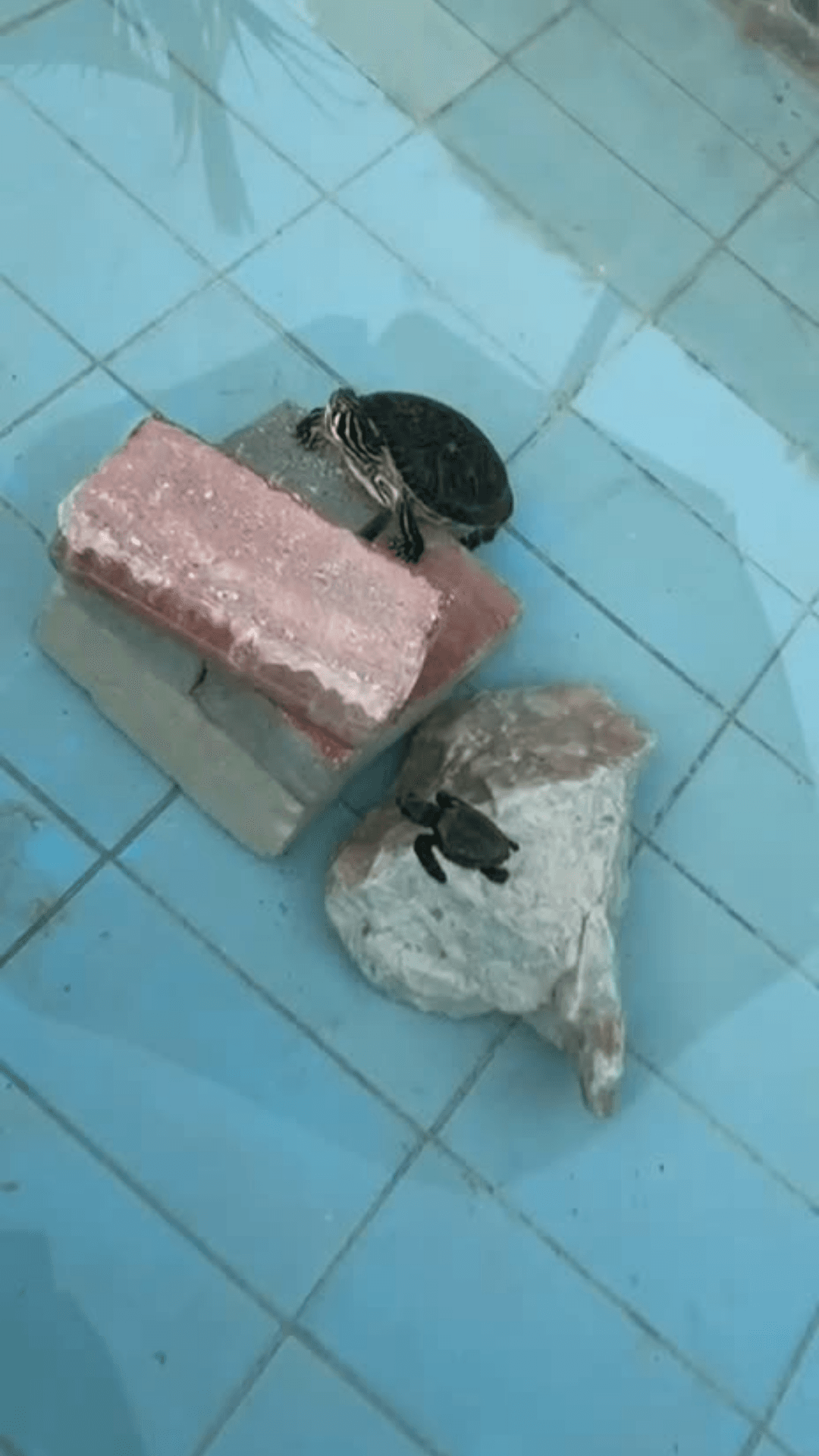
Sea turtles kept in a restaurant tank in Chania: True love for nature begins with respect.
We all feel a sense of excitement when we encounter a wild animal up close. It is only natural to want to connect with nature, observe it and understand it better.
- OUR NEWS09/09/2026
Schools are back at ARCHELON! A new year full of learning and action
The new school year is beginning, and with it, the voices, questions, and excitement of thousands of students return to ARCHELON’s Sea Turtle Rescue Centre.
- OUR NEWS06/09/2026
Sea Turtle Hatchlings Captivated All Ages in Corfu
- OUR NEWS01/09/2026
Taking time off work to volunteer for the sea turtles in Greece: Amy’s month with ARCHELON in southern Peloponnese
When Amy Carey was 10 years old, she came face to face with a sea turtle while on holiday in Greece. Decades later, at 47, she decided it was time to turn that childhood memory into reality.
- OUR NEWS13/08/2026
Hatchlings need help in September and October: Special volunteer offer for 2 weeks!
In order to protect the nests and the last hatchlings of this year, we need the help of more volunteers!
- OUR NEWS10/08/2026
One beach party canceled, 66 nests saved in Chania!
A significant victory for the protection of sea turtles in Chania, thanks to the direct cooperation of ARCHELON and NECCA.
- OUR NEWS07/08/2026
Sea turtles of the Saronic Gulf: Why feeding them is not an act of love
The Municipality of Saronikos and ARCHELON are campaigning for the safe and proper coexistence of bathers and wildlife.
- OUR NEWS05/08/2026
Greek fishermen release rare Leatherback Turtle in the North Aegean!
In mid-July, we received a video of an impressive sea turtle that had been caught in the nets of a fishing boat.
- OUR NEWS30/07/2026
Join our Sea Turtle Nest Excavations in Peloponnese and Crete
ARCHELON invites you to a unique experience of environmental education and scientific observation!
- OUR NEWS20/07/2026
43 Years of Tagging Sea Turtles in Greece Reveal Their Journeys in the Mediterranean
A new scientific publication highlights the important marine areas turtles use in the Mediterranean, through ARCHELON’s tagging program in Zakynthos, Kyparissia Bay and Rethymno.
- OUR NEWS17/07/2026
The first hatchlings of 2026 in Zakynthos!
The first nest hatched on Dafni beach in Laganas Bay in Zakynthos. Our team discovered the tiny tracks in the early hours of Tuesday, July 14th.
- OUR NEWS15/07/2026
A rare giant of the Greek seas: What our new study reveals about the Leatherback turtle
A new scientific publication brings together for the first time all available records of the Leatherback sea turtle (Dermochelys coriacea) in Greek waters.
- OUR NEWS10/07/2026
Raising awareness for the sea turtles in Corfu
To mark the launch of the project, ARCHELON carried out a series of outreach activities across Corfu, bringing local communities and visitors closer to sea turtle conservation.
- OUR NEWS08/07/2026
Protecting loggerhead sea turtles contributes to maintaining the balance of marine ecosystems.
Sea turtles play a vital role in maintaining healthy marine ecosystems. As part of marine food webs, they contribute to the balance and functioning of coastal and marine habitats.
- OUR NEWS05/07/2026
Is the Zakynthos National Marine Park Truly Protected?
Two cases of environmental law violations in Zakynthos that went unpunished.